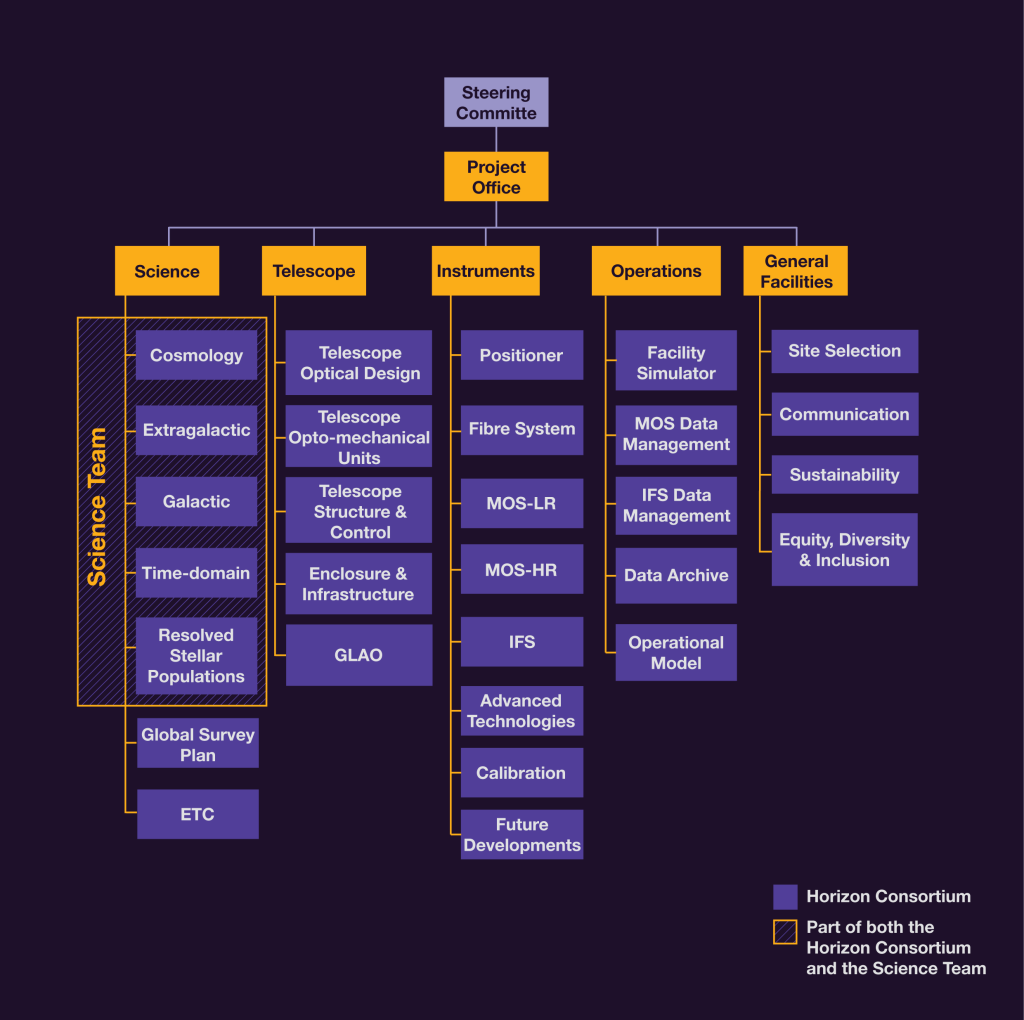
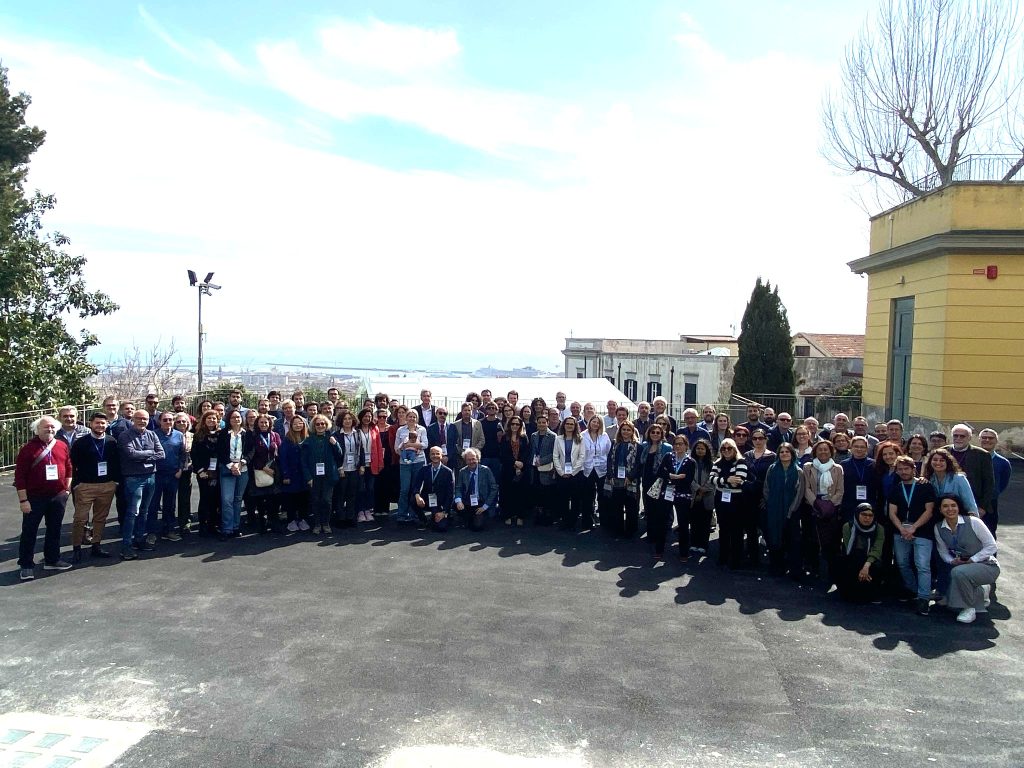

The WST consortium brings together the Horizon Consortium, comprising 23 research institutes, and a much broader Science Team. Although formally distinct, the two groups work seamlessly to advance the concept study, with the Science Team being in charge of defining transformative science cases and shaping the science-driven requirements for the WST.
All consortium members adhere to the WST Code of Conduct and Publication Policy.
The Horizon Consortium brings together all the expertise required to perform the concept study of a facility as ambitious as the WST. This includes all the different aspects involved in such a process, from defining the science goals and requirements, to designing the telescope and the instruments, to planning its operations and data management, to ensuring the sustainability of the project.
The Science Team is at the heart of the WST scientific vision, uniting an international community of astronomers to define transformative science cases and guide the science-driven development of the telescope.
The Horizon Consortium’s work is broken down into six work packages that cover all the key areas needed for the concept study. Each work package is further split into smaller, task-oriented sub-packages, each led by one or two dedicated coordinators.
The committee provides strategic direction, guides decision-making, tackles challenges, allocates resources, and monitors project progress
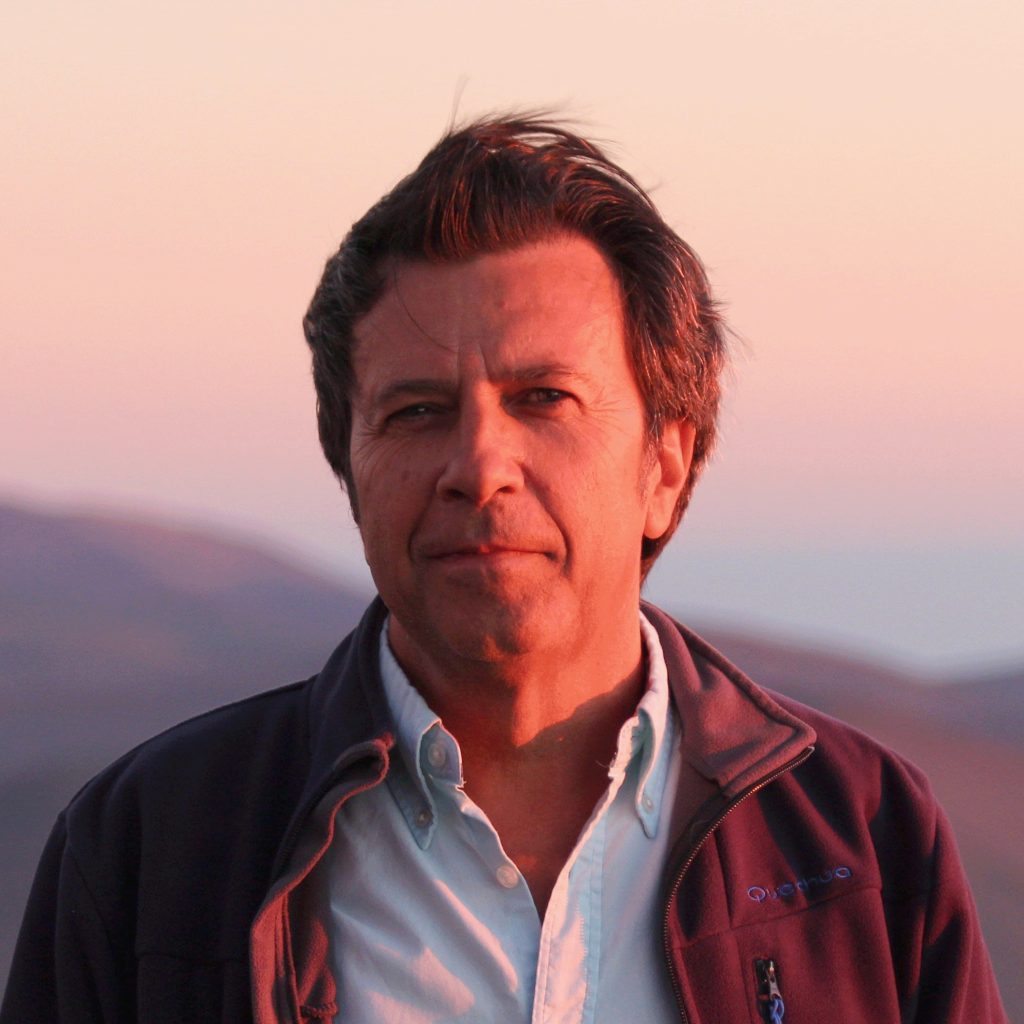
COORDINATOR
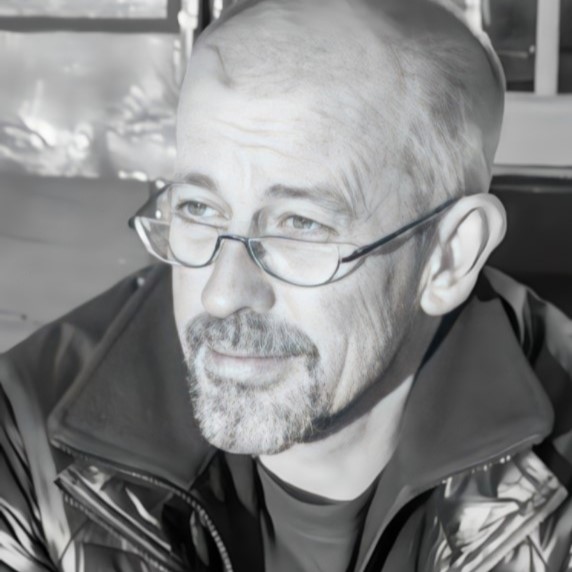
Roland Bacon (CRAL) has 10 years of managerial experience as director of CRAL, as well as 35 years of unique experience in the design, realisation, and use of integral-field spectrographs.
He has been the PI of the very successful MUSE instrument at the VLT.
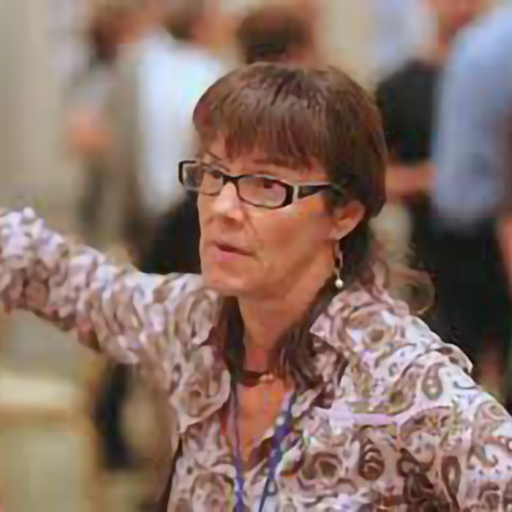
DEPUTY COORDINATOR
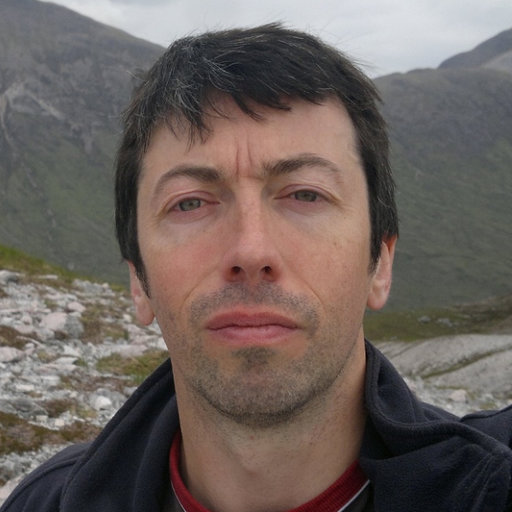
Sofia Randich, former director of INAF-OAA, brings to the project her significant experience in the management of Galactic spectroscopic surveys (e.g., the Gaia-ESO large public spectroscopic survey) and in high-resolution multi-object spectroscopy (MOS).
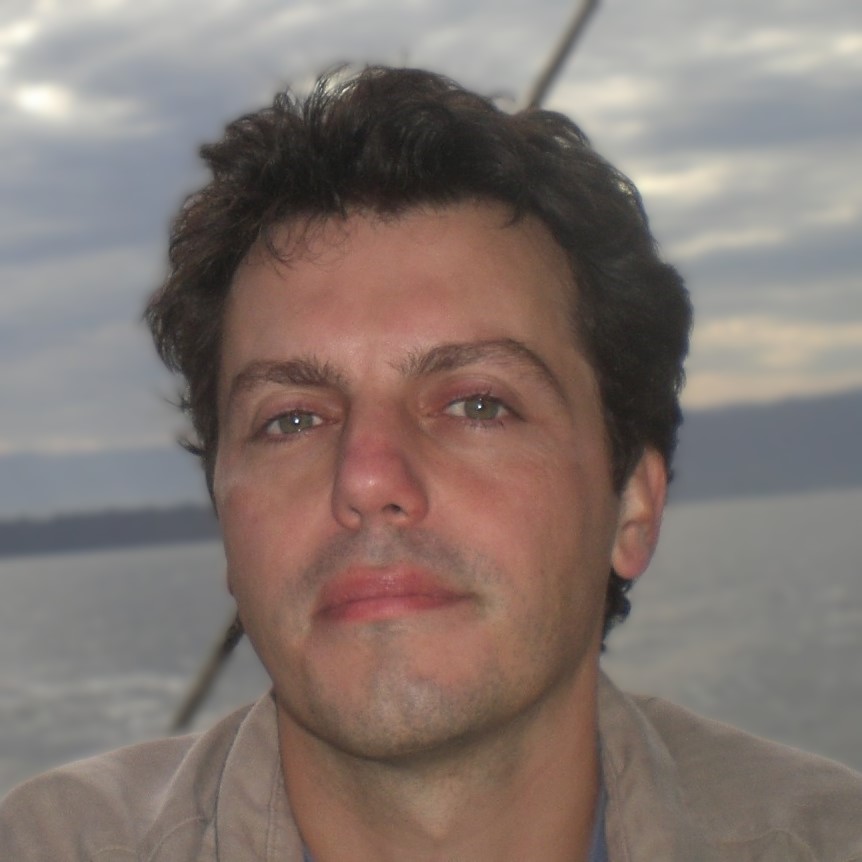
PROJECT SCIENTIST
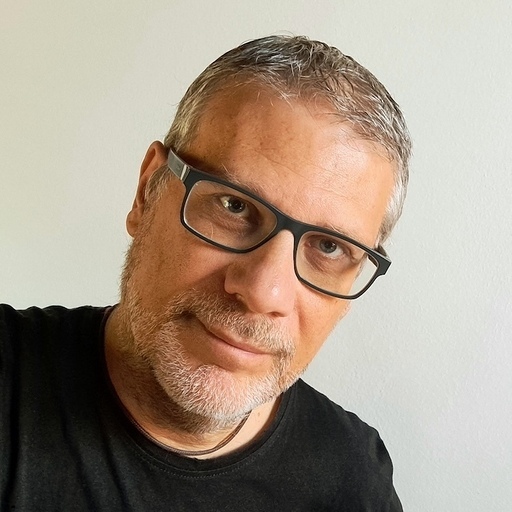
Vincenzo Mainieri (ESO) is project scientist for the upcoming multi-object spectrographs at ESO (4MOST, MOSAIC, MOONS till Oct 2018).
He brings to the project his long and successful experience in leading extragalactic MOS and IFS science teams.
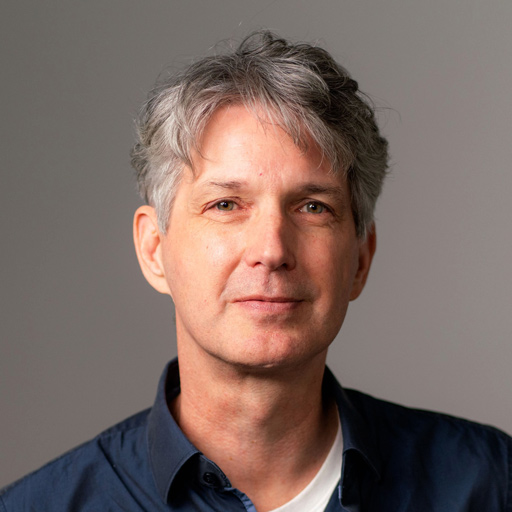
TELESCOPE WP COORDINATOR
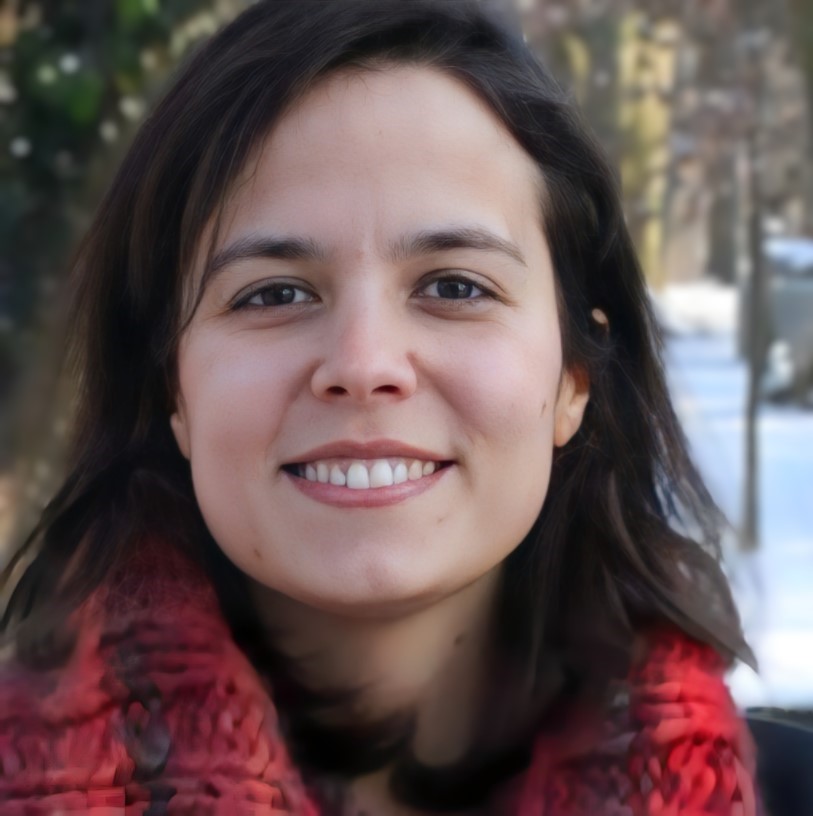
Philippe Dierickx has a long experience as a system engineer and project manager at ESO.
He is an expert in the design and production of large and very large telescopes.
INSTRUMENT WP COORDINATOR
David Lee (UKRI-STFC-UKATC) has extensive experience in developing instrumentation and technology for ground and space-based telescopes (MIR/JWST, MOONS/VLT, ANDES/ELT).
OPERATIONS SCIENTIST
Paolo Franzetti (IASF-Mi) has a long experience in data reduction and analysis software for MOS instruments (e.g., VIMOS, EUCLID, MOONS) and in spectroscopic surveys management (e.g., VIPERS, VANDELS).
The WST project is committed to an open-science policy, allowing any professional astronomer to join the Science Team.
The WST community comprises approximately a thousand researchers, engineers, students, and staff from different academic and cultural backgrounds and across multiple continents. The WST Consortium strives to provide a welcoming and safe environment that promotes engagement, collaboration, and growth for all, grounded in equity, diversity, and inclusion.
Coordinator Message
Issue #1 The WST Chronicle